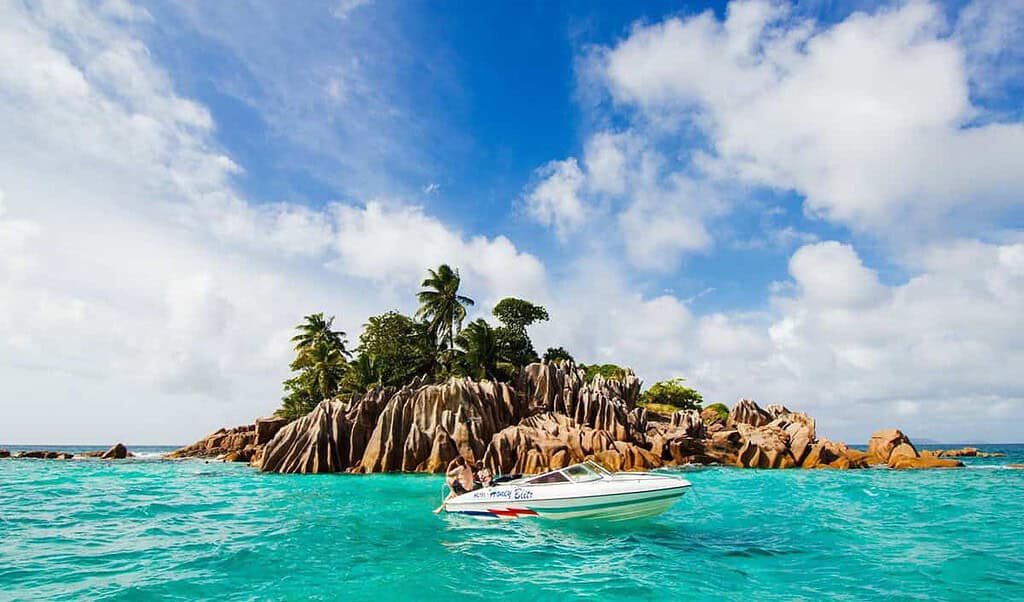
There’s safari, and then there’s East African safari. If you’ve ever dreamed of witnessing a million wildebeest thundering across golden plains, locking eyes with a lion at sunrise, or falling asleep to the sounds of the African bush in an elegant tented camp — East Africa is where those dreams come to life.
Kenya and Tanzania have long been considered the birthplace of the safari experience, and for good reason. This is where the word “safari” originated (it means “journey” in Swahili), and it’s where the magic of the African wilderness reveals itself on a scale that simply can’t be replicated anywhere else on Earth.
Whether you’re a first-time safari traveller or a seasoned wildlife enthusiast, an East African safari promises something truly extraordinary. Let us show you why.
The Scale of East Africa’s Landscapes Will Take Your Breath Away
Nothing quite prepares you for the sheer vastness of East Africa’s landscapes. This isn’t just wildlife viewing — it’s an immersion into some of the most dramatic scenery on the planet.
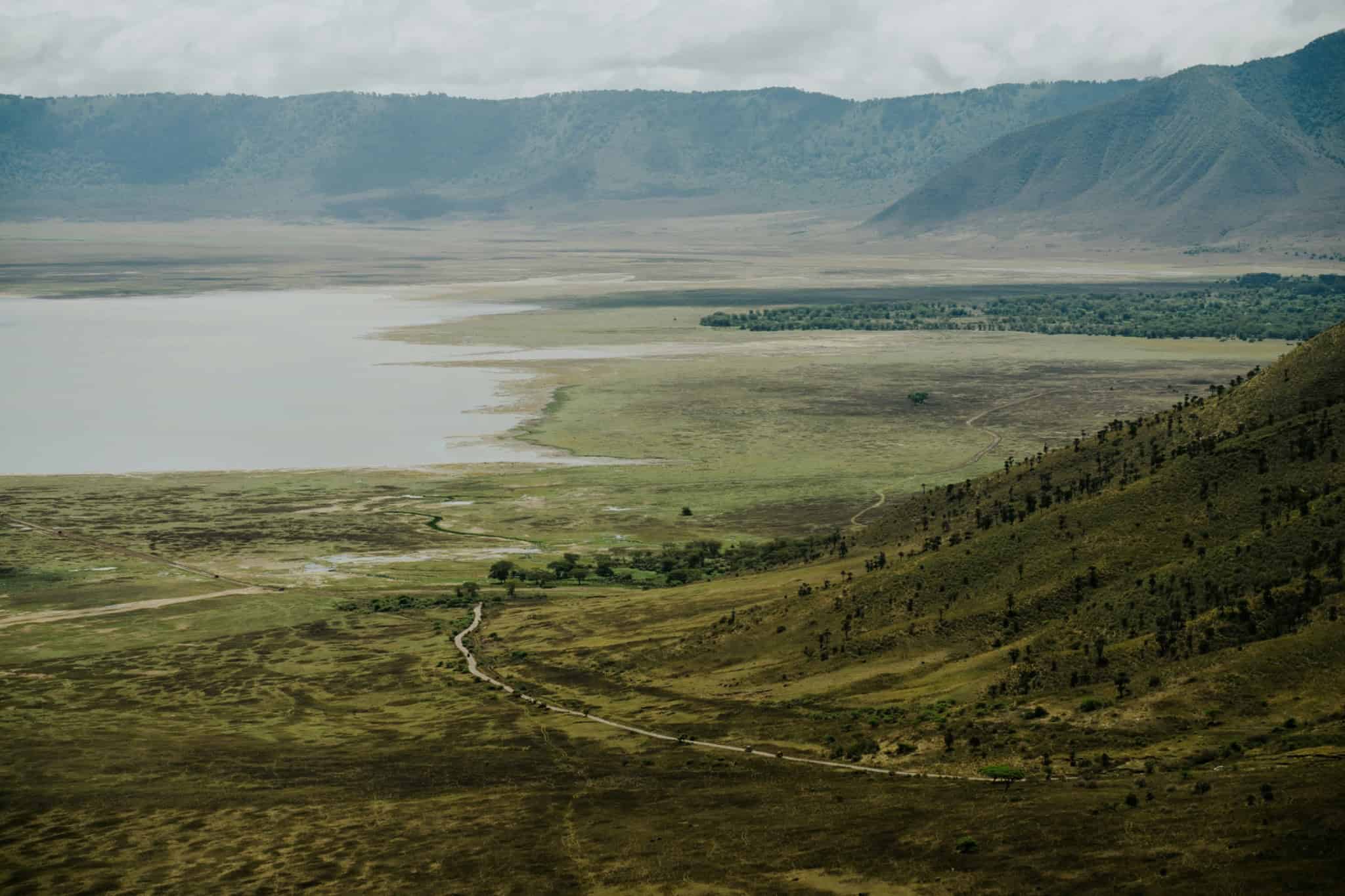
Picture this: You’re standing in the Ngorongoro Crater, a collapsed volcano that forms a natural amphitheatre teeming with wildlife. Or you’re watching the sun set over the Serengeti, where the horizon stretches so far it curves with the earth. Perhaps you’re gazing at the snow-capped peak of Mount Kilimanjaro rising majestically above the Amboseli plains, with elephants silhouetted against the African sky.
Iconic East African landscapes include:
- The Serengeti (Tanzania): Serengeti National Park spans roughly 14,750 square kilometres, at the heart of a wider ecosystem of around 30,000 square kilometres — larger than some countries.
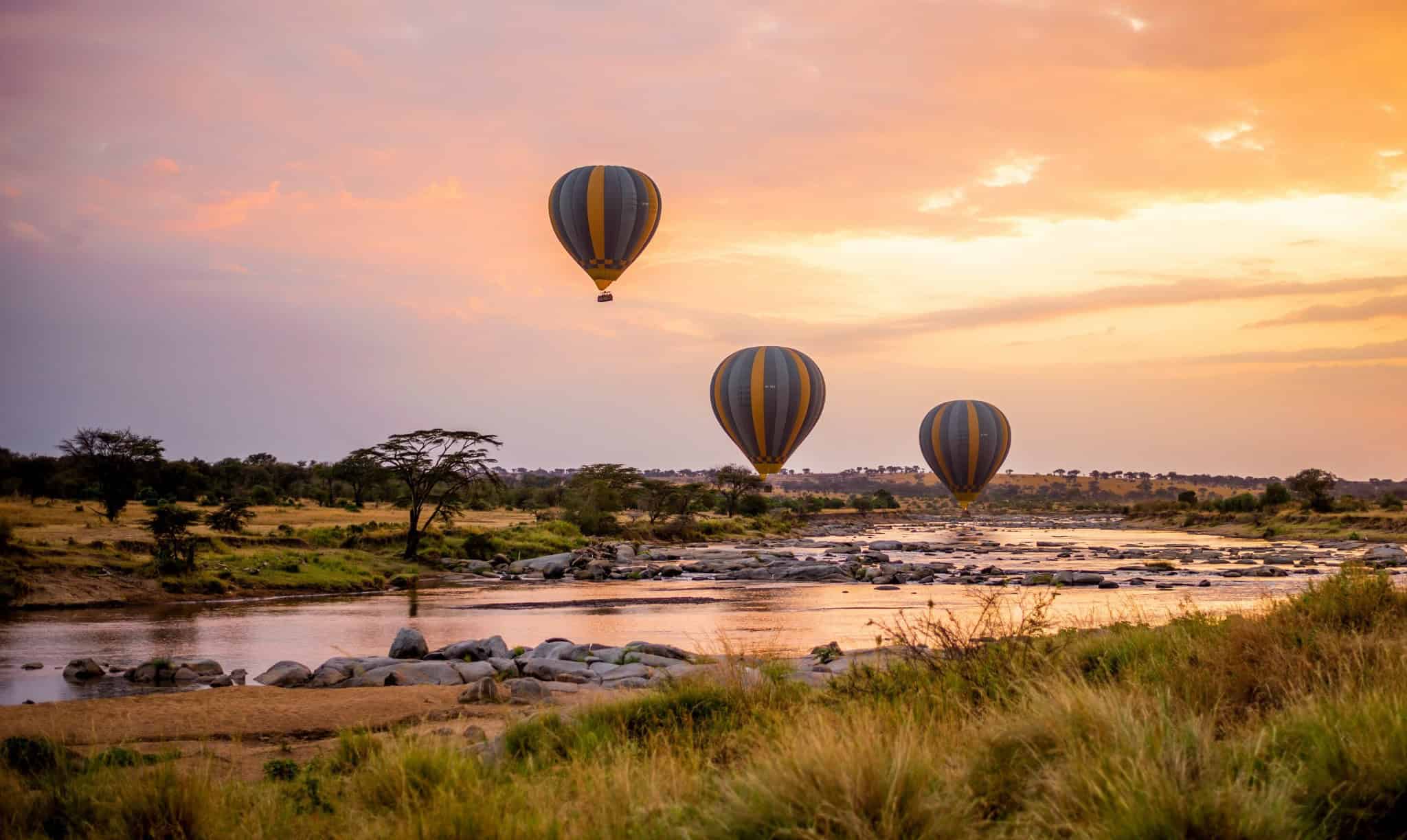
- The Maasai Mara (Kenya): Rolling grasslands that seem to extend forever
- Ngorongoro Crater (Tanzania): The world’s largest intact volcanic caldera and a UNESCO World Heritage Site.
- Amboseli National Park (Kenya): Dramatic views of Kilimanjaro with large elephant herds in the foreground.
- Lake Nakuru (Kenya): A rhino sanctuary and birding haven of acacia woodland, with flamingos gathering when lake conditions are right
- The Great Rift Valley: A geological wonder stretching across both countries
These landscapes don’t just provide a backdrop for wildlife — they create an emotional experience that stays with you long after you’ve returned home. There’s a reason so many travellers describe their East African safari as life-changing.
Ready to see it for yourself? Contact Jenny’s Travel, and we’ll help you choose the perfect destinations for your safari adventure.
The Great Migration: Nature’s Most Spectacular Show
If there’s one wildlife event that defines East Africa, it’s the Great Migration — and witnessing it is nothing short of humbling.

Every year, over two million wildebeest, zebra and gazelle embark on a continuous circular journey across the Serengeti-Mara ecosystem, following the rains and fresh grazing. It’s the largest migration of wildebeest on the planet and one of the greatest wildlife spectacles on Earth, and it’s been happening for thousands of years.
What Makes the Great Migration So Extraordinary?
- The sheer numbers: Imagine standing on a kopje (rocky outcrop) watching an endless column of wildebeest stretching to the horizon — hundreds of thousands of animals moving as one
- The river crossings: The dramatic Mara River crossings, where wildebeest brave crocodile-infested waters, are among the most thrilling wildlife spectacles you’ll ever witness
- The predators: Lions, cheetahs, leopards and hyenas follow the herds, creating incredible predator-prey interactions
- The circle of life: From the calving season (when thousands of babies are born daily) to the dramatic crossings, you witness nature in its rawest form.
When and Where to See the Great Migration
The migration is a year-round event that moves across different locations:
Planning a migration safari requires careful timing and expert knowledge. The herds follow the rains, not a calendar, so their movements can vary from year to year. At Jenny’s Travel, we work closely with lodges and guides on the ground to ensure you’re in the right place at the right time. Get in touch to start planning your Great Migration experience.
The Endless Plains of the Serengeti and Maasai Mara
There’s a reason the Maasai people named it “Serengeti” — it means “endless plains” in their language, and that’s exactly what you’ll find.
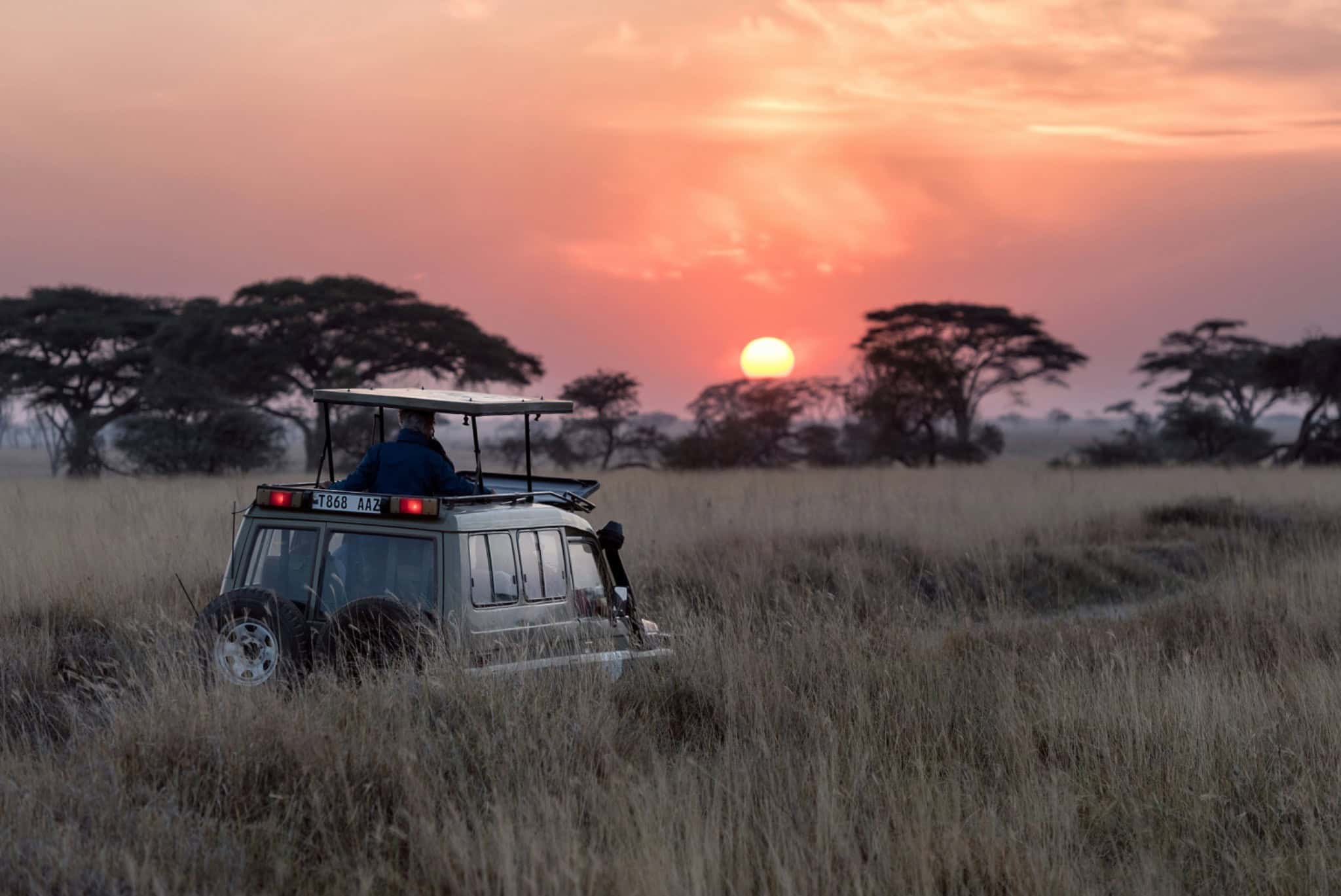
The Serengeti-Mara ecosystem is one of the oldest and most scientifically significant ecosystems on Earth. These vast grasslands, dotted with acacia trees and punctuated by rocky kopjes, support one of the highest concentrations of large mammals anywhere in the world.
Why the Plains Create Such an Exceptional Safari Experience
- Unobstructed wildlife viewing: Unlike dense bush or woodland safaris, the open plains allow you to see for miles. You might spot a cheetah stalking prey from kilometres away, or watch a pride of lions lounging in the grass as zebra graze nervously nearby.
- Incredible photographic opportunities: The golden light of sunrise and sunset across the plains creates magical conditions for photography. Silhouettes, reflections, and that famous “African golden hour” are at their best here.
- A sense of timelessness: Standing on these plains, watching wildlife behave exactly as they have for millennia, you can’t help but feel connected to something ancient and profound. This is Africa as it’s always been — wild, untamed, and impossibly beautiful.
- The diversity of habitats: While famous for their grasslands, the Serengeti and Mara also include riverine forests, swamps, and woodlands — each supporting different species and creating varied safari experiences.
Whether you’re on a game drive at dawn, a walking safari through the bush, or floating above the plains in a hot air balloon, the endless horizons of East Africa create memories that last a lifetime.
Big Cat Capital of the World
East Africa is, quite simply, the best place on Earth to see big cats in the wild. If lions, leopards and cheetahs top your wildlife wish list, there’s nowhere better.
Lions: The Kings of the Savannah
The Serengeti and Maasai Mara are home to some of the largest and most studied lion populations in Africa. With abundant prey and vast territories, prides here can number over 20 individuals.
What makes East African lion viewing special:
- Large prides are relatively habituated to vehicles, allowing for incredible close-up sightings
- The open plains mean you can often watch hunts unfold from start to finish
- Famous prides like the Marsh Pride (featured in BBC’s Big Cat Diary) have been documented for decades
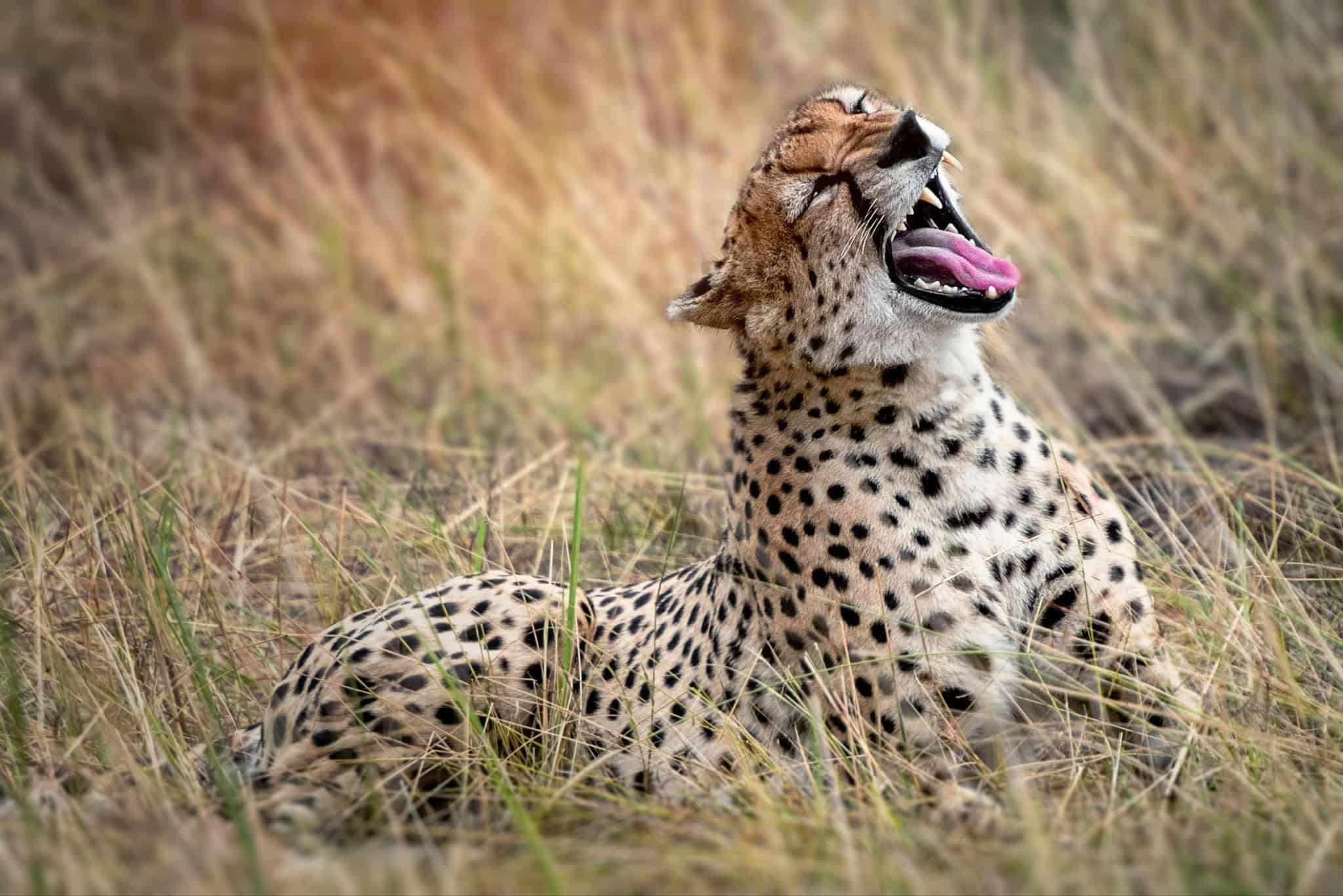
Cheetahs: Built for Speed
The open grasslands of the Serengeti and Mara are perfect cheetah habitat. These elegant cats need space to reach their incredible speeds (over 100 km/h), and here they have it in abundance.
East Africa offers some of the best chances in Africa to witness a cheetah hunt — watching the world’s fastest land animal sprint after prey across the golden plains is an adrenaline rush like no other.
Leopards: The Elusive Beauties
While leopards are notoriously shy and difficult to spot, East Africa’s experienced guides know their territories intimately. The Seronera region of the Serengeti is particularly famous for leopard sightings, with these stunning cats often draped in the branches of sausage trees.
Your Big Cat Safari
Whether you dream of seeing a lioness teaching her cubs to hunt, a cheetah coalition scanning the plains, or a leopard descending from a tree at dusk, East Africa delivers. Our team at Jenny’s Travel can recommend the best reserves and lodges for big cat sightings based on the season and your preferences.
Maasai and Samburu Culture: A Living Heritage
An East African safari isn’t just about the wildlife — it’s also an opportunity to connect with some of the world’s most fascinating traditional cultures.
The Maasai of Kenya and Tanzania and the Samburu of northern Kenya have lived alongside wildlife for centuries, maintaining traditions that have remained largely unchanged despite the modern world encroaching around them.
The Maasai: Guardians of the Land
The Maasai are perhaps Africa’s most recognisable tribe, known for their distinctive red shukas (robes), intricate beadwork, and legendary warrior traditions.
Cultural experiences you might enjoy:
- Village visits: Walk through a traditional manyatta (Maasai village) and learn about daily life, from cattle herding to beadwork
- Traditional dancing: Witness the famous adumu (jumping dance), where young warriors leap incredibly high as a display of strength
- Storytelling: Hear ancient tales passed down through generations around the campfire
- Conservation partnerships: Learn how Maasai communities are working with conservancies to protect wildlife while preserving their way of life
The Samburu: Warriors of the North
The Samburu, close relatives of the Maasai, inhabit the rugged landscapes of northern Kenya. They’ve retained their semi-nomadic lifestyle and are known for their striking appearance and deep connection to the land.
What makes Samburu cultural encounters special:
- Their remote location means traditions remain particularly intact
- Unique customs and ceremonies different from the Maasai
- Incredible jewellery and beadwork traditions
- A warrior culture that still plays an important role in community life
Responsible Cultural Tourism
At Jenny’s Travel, we only work with lodges and operators that engage respectfully and meaningfully with local communities. The best cultural experiences benefit both travellers and the communities themselves, creating genuine connections rather than staged performances.
We can incorporate authentic cultural experiences into your safari itinerary — just let us know if this is something you’d like to include.
Tented Camps: Where Adventure Meets Elegance
Forget everything you think you know about camping. East Africa’s elegant tented camps are in a league of their own — combining the romance and adventure of sleeping in the bush with world-class comfort and service.
What to Expect from an Elegant Tented Camp
- Spacious canvas suites: These aren’t tents in the traditional sense. Imagine king-sized beds with fine linens, en-suite bathrooms with flushing toilets and hot showers (some even have claw-foot bathtubs), private decks with bush views, and elegant furnishings that blend safari chic with African artistry.
- Exceptional dining: Gourmet meals prepared by talented chefs, often enjoyed under the stars or in elegant mess tents. Many camps cater to dietary requirements and create bush dining experiences — imagine breakfast on the plains after a morning game drive, or a candlelit dinner overlooking a watering hole.
- Personalised service: With guest numbers typically limited to 12–20 people, the service at these camps is intimate and attentive. Your hosts remember your preferences, your guides tailor game drives to your interests, and every detail is considered.
- Exclusive locations: The best camps are situated in private concessions or prime locations within national parks, offering exclusive game viewing with fewer vehicles and more flexibility.
The Magic of Sleeping in the Bush
There’s something deeply special about falling asleep to the sounds of the African night — lions calling in the distance, hyenas whooping, hippos grunting in a nearby river. The canvas walls of your tent connect you to the wilderness in a way that solid walls simply cannot.
Wake before dawn to the smell of fresh coffee, step onto your deck to watch the sunrise paint the sky, and head out on a game drive as the bush comes alive. This is safari at its most authentic and most indulgent.
From intimate mobile camps that follow the migration to iconic lodges perched on crater rims, East Africa offers accommodation options to suit every style. Contact Jenny’s Travel, and we’ll match you with the perfect places to stay.
Why an East African Safari is a Once-in-a-Lifetime Experience
We use the phrase “once in a lifetime” carefully — but for an East African safari, it truly applies. Here’s why:
-
You’ll Witness Things You’ve Only Seen in Documentaries
Those BBC and National Geographic wildlife documentaries? Many of them were filmed right here. The Great Migration river crossings, the Marsh Pride lions, the cheetah hunts across the Mara — you’ll see them unfold before your own eyes, not on a screen. -
It Changes Your Perspective
There’s something profound about being in a place where humans are visitors and wildlife roam free. The scale of nature, the raw beauty, the circle of life playing out before you — it has a way of putting everything into perspective. -
Every Safari is Unique
No two game drives are ever the same. The wildlife encounters you’ll have are completely unpredictable — that’s what makes them so thrilling. Your safari story will be yours alone. -
The Sensory Experience is Overwhelming
It’s not just what you see. It’s the smell of rain on the savannah, the sound of a lion’s roar vibrating through your chest, the feel of the morning chill giving way to African warmth, the taste of sundowner drinks as the sky turns orange and pink. Safari engages every sense. -
You’ll Connect with Ancient Rhythms
The migration has followed these ancient rhythms for thousands of years. The Maasai have walked these lands for centuries. Standing in this landscape, you become part of a story far bigger and older than yourself. -
The Memories Stay with You Forever
Ask anyone who’s been on an East African safari, and they’ll tell you — years later, decades later — they can still close their eyes and be back on those plains, watching that lion, feeling that magic. These aren’t just holiday memories. They’re life memories.
Is an East African Safari Right for You?
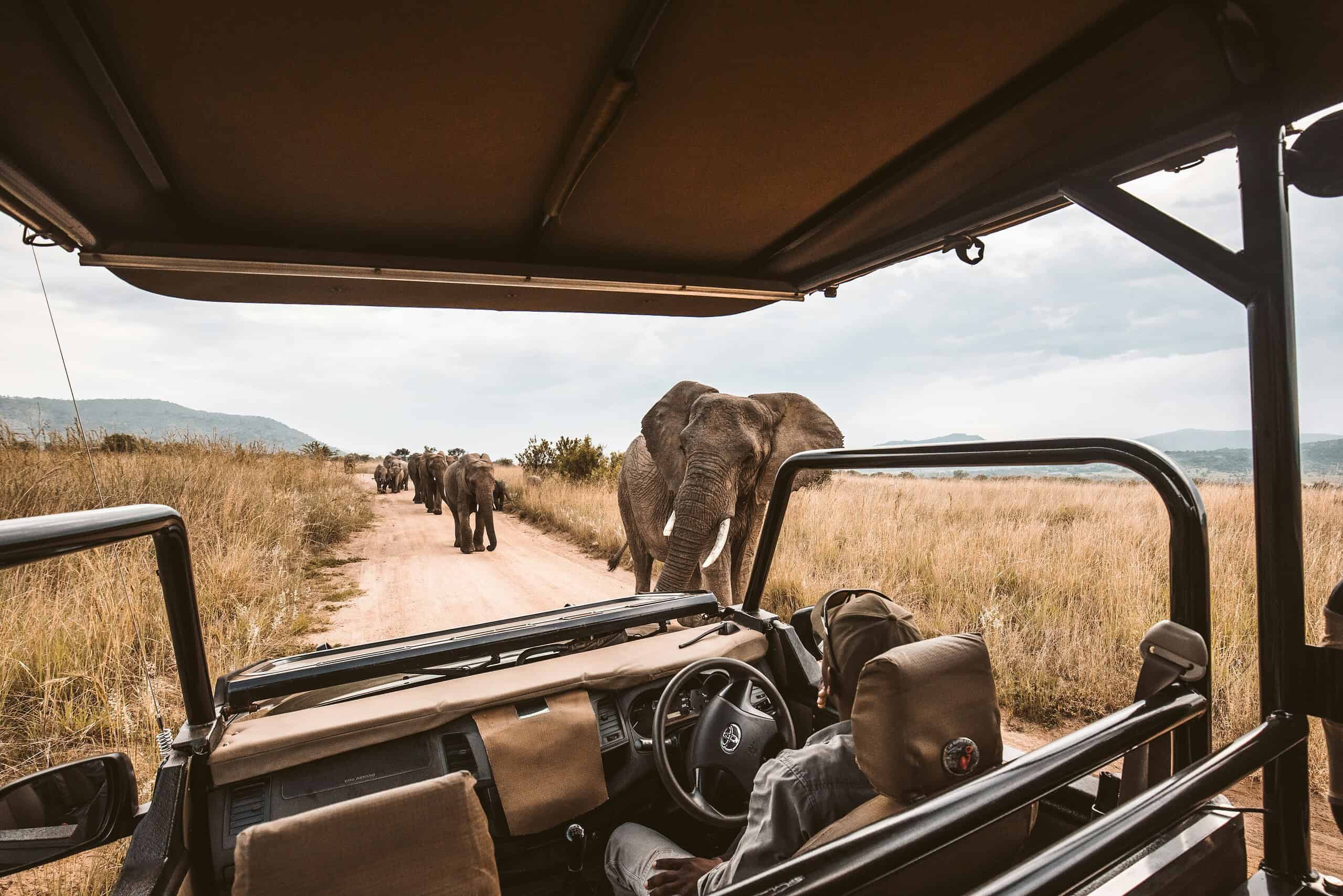
An East African safari is perfect for:
- First-time safari travellers who want the classic, iconic African experience
- Wildlife enthusiasts and photographers seeking incredible big cat sightings
- Couples looking for a romantic and unforgettable honeymoon or anniversary trip
- Families with older children ready for adventure and education
- Bucket-list travellers wanting a truly life-changing experience
- Discerning travellers who don’t want to compromise on comfort while exploring the wild
Things to consider:
- East African safaris typically involve early mornings and long game drives — but the rewards are worth it
- The Serengeti and Maasai Mara are popular for good reason, though we can also arrange visits to quieter, off-the-beaten-track areas
- Budget options are available, but East Africa really shines at the mid-range to high-end level where you can access prime locations and expert guides
Plan Your East African Safari with Jenny’s Travel
East Africa is calling. Are you ready to answer?
Whether you’re dreaming of the Great Migration, a romantic tented camp honeymoon, a family adventure, or a photographic safari focused on big cats, we’ll craft an itinerary that brings your safari dreams to life.
At Jenny’s Travel, we’ve helped countless South Africans experience the magic of Kenya and Tanzania. We know the best lodges, the ideal timing, and the secret spots that make all the difference.
Let us handle the details — the flights, the lodges, the transfers, the guides — so you can focus on the experience of a lifetime.
Contact Jenny’s Travel today to start planning your East African safari adventure.
ho******@*************co.za | +27 12 347 8891 | @jennystravel_
DREAM | DISCOVER | EXPLORE.