The travel landscape is constantly evolving, and 2026 is shaping up to be one of the most exciting years yet for explorers. From the rise of meaningful slow travel to the growing demand for off-grid adventures, travellers are rethinking what it means to truly experience a destination.
At Jenny’s Travel, we’ve been keeping our finger on the pulse of what’s hot—and what’s not—in the world of travel. After speaking with countless clients and monitoring global trends, we’re ready to share our honest take on the travel movements worth embracing and those you might want to think twice about.
Trends We’re Absolutely Loving
1. Slow Travel: Quality Over Quantity
Gone are the days of racing through five countries in seven days. In 2026, travellers are choosing to stay longer in fewer places, immersing themselves in local culture rather than ticking boxes on a checklist.
Why we love it:
- Deeper connections with destinations and locals
- Reduced travel fatigue and burnout
- Lower carbon footprint from fewer flights
- More authentic experiences away from tourist hotspots
- Better value for money when you’re not constantly on the move
Instead of cramming Paris, Rome, and Barcelona into one frantic week, travellers are spending that entire week exploring Provence’s lavender fields, local markets, and hidden villages. The result? Memories that actually stick.
Our tip: Consider spending at least four to five nights in each destination rather than hopping around every day or two.
2. Regenerative Travel: Leaving Places Better Than You Found Them
Sustainable travel was the buzzword of the early 2020s, but 2026 is all about taking it a step further. Regenerative travel focuses not just on minimising harm but actively contributing to the restoration of destinations.
What this looks like:
- Participating in conservation projects during your trip
- Staying at lodges that invest in local community development
- Choosing experiences that directly fund environmental rehabilitation
- Supporting indigenous-owned tourism initiatives
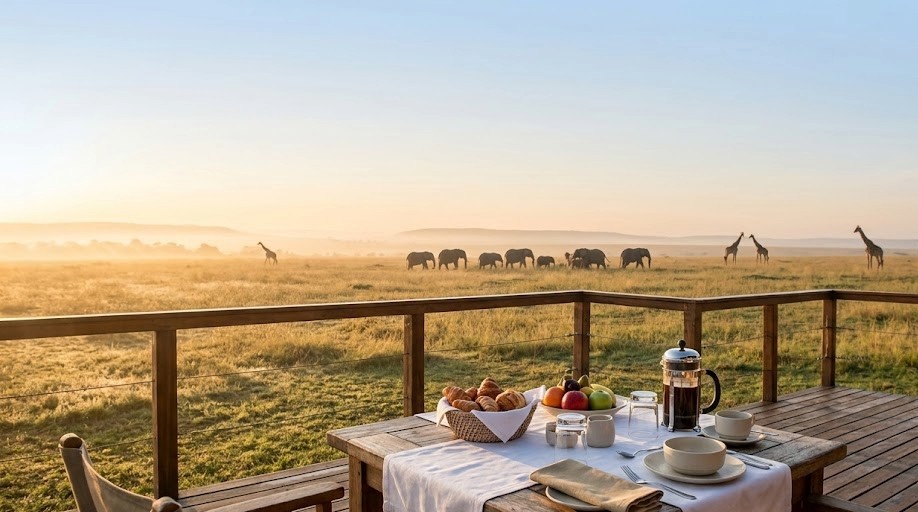
From planting coral in the Maldives to helping with wildlife monitoring in Botswana, travellers are seeking ways to give back. It’s tourism with purpose, and we’re absolutely here for it.
3. Destination Dupes: Discovering Hidden Alternatives
Overcrowded hotspots are losing their appeal, and savvy travellers are seeking out “destination dupes”—lesser-known alternatives that offer similar experiences without the masses.
Popular swaps we’re recommending:
| Instead of… | Try… |
| Santorini, Greece | Milos, Greece |
| Barcelona, Spain | Valencia, Spain |
| Dubrovnik, Croatia | Kotor, Montenegro |
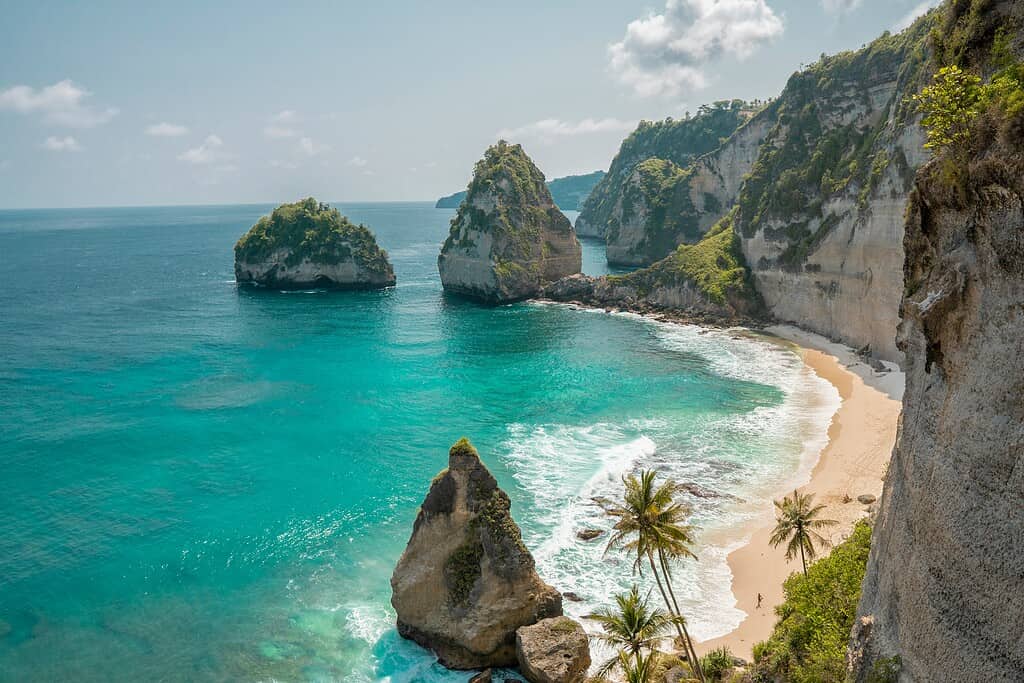
| Bali, Indonesia | Lombok, Indonesia |
| Machu Picchu, Peru | Choquequirao, Peru |
| Iceland | The Faroe Islands |
These alternatives often offer better value, fewer tourists, and a more authentic atmosphere. Plus, they help distribute tourism revenue to communities that need it most.
4. Sleep Tourism: Prioritising Rest and Recovery
The wellness travel trend has evolved, and in 2026, sleep tourism is taking centre stage. After years of burnout culture and pandemic-related stress, travellers are actively seeking holidays designed around getting the best sleep of their lives.
What sleep-focused trips include:
- Hotels with dedicated sleep programmes and sleep coaches
- Rooms designed with blackout technology and temperature regulation
- Pillow menus and luxury bedding
- Digital detox policies
- Sleep-enhancing spa treatments
- Chronobiology-based itineraries that work with your body clock
Destinations like Switzerland, Japan, and Scandinavia are leading the charge with high-end sleep retreats. It might sound indulgent, but returning from holiday genuinely rested? That’s priceless.
5. Culinary Immersion: Beyond Food Tours
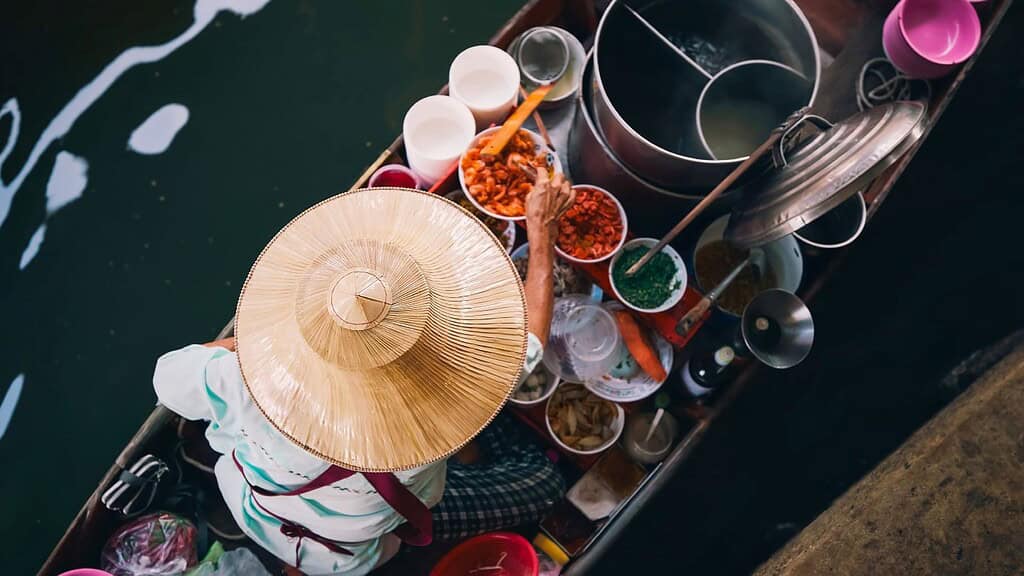
Food has always been central to travel, but 2026 is seeing a shift from passive eating to active culinary immersion. Travellers want to get their hands dirty—literally.
Experiences gaining popularity:
- Multi-day cooking courses with local families
- Farm stays where you harvest your own ingredients
- Foraging expeditions with expert guides
- Wine-making and olive-pressing experiences
- Learning traditional preservation techniques
It’s not just about tasting the food; it’s about understanding the stories, traditions, and people behind every dish.
6. Set-Jetting: Travelling to Film and TV Locations
The influence of streaming platforms on travel continues to grow. Set-jetting—visiting destinations made famous by films and television series—remains one of 2026’s most exciting trends.
Destinations made famous on screen:
- New Zealand, forever associated with the Lord of the Rings films and a continuing home for fantasy productions
- Scotland’s Highlands, long linked to Outlander and a host of period dramas
- South Korea, hugely popular among fans of K-drama
- Jordan and Morocco, whose dramatic landscapes have featured in productions such as Dune
- Japan’s rural regions, which draw visitors inspired by anime and film
We love this trend because it introduces travellers to destinations they might never have considered otherwise.
7. Multi-Generational Travel: Family Adventures Across Ages
Extended families are hitting the road together like never before. Multi-generational travel—grandparents, parents, and children exploring the world as one unit—is booming in 2026.
Why it’s working:
- Shared experiences create lasting family bonds
- Costs can be split across the group
- Larger villas and apartments offer better value than multiple hotel rooms
- Grandparents can help with childcare whilst parents enjoy some downtime
- It’s an opportunity to create traditions and memories together
Destinations with something for everyone—think Italy, South Africa, Portugal, and Japan—are particularly popular for these trips.
8. Rail Travel Renaissance
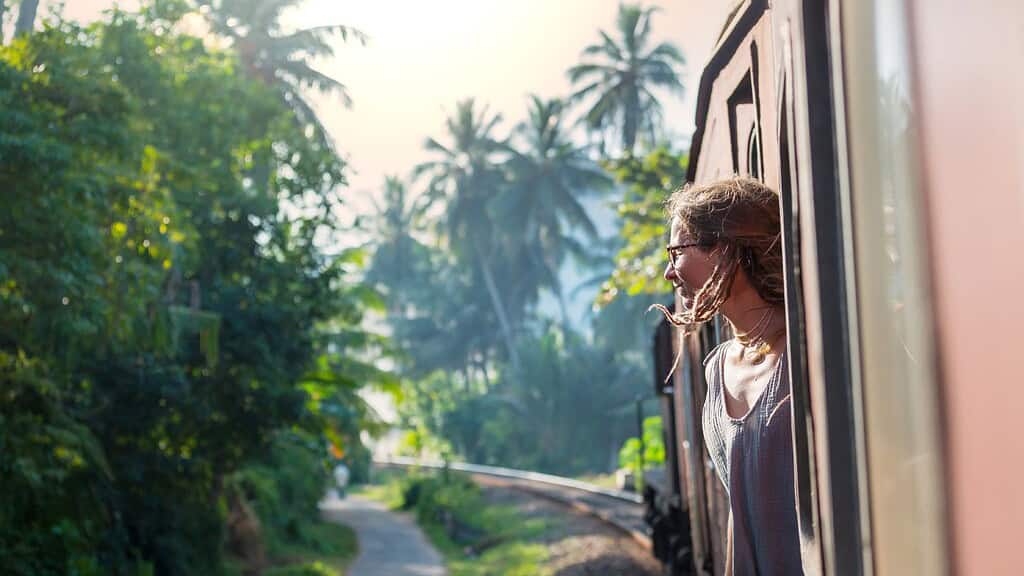
Trains are back in a big way. Whether it’s the romance of sleeper carriages or the environmental benefits of staying grounded, rail travel is experiencing a genuine renaissance.
Routes we’re recommending:
- The Rocky Mountaineer through Canada
- The Glacier Express in Switzerland
- Japan’s Shinkansen network
- The Belmond Royal Scotsman
- Rovos Rail through Southern Africa
- The Trans-Siberian Railway for the adventurous
Train journeys offer something planes simply cannot: the chance to watch landscapes unfold gradually, to arrive in city centres rather than distant airports, and to travel with a sense of occasion.
9. Digital Detox Destinations
In our hyperconnected world, the luxury of disconnection has become genuinely valuable. Digital detox holidays are no longer niche—they’re mainstream.
What travellers are seeking:
- Resorts with no Wi-Fi policies
- Remote lodges where phones simply don’t work
- Guided retreats focused on mindfulness and presence
- Adventure trips that keep you too busy to scroll
From Namibian desert camps to Scottish island retreats, the demand for places where you can’t check your emails is growing rapidly. And honestly? We think that’s wonderful.
10. Soft Adventure: Accessible Thrills for Everyone
Not everyone wants to summit Everest, but that doesn’t mean adventure is off the table. Soft adventure travel—activities that offer excitement without extreme physical demands—is hugely popular in 2026.
Examples include:
- Hot air balloon rides over Cappadocia
- Gentle kayaking through Norwegian fjords
- Walking safaris with expert guides
- Snorkelling in crystal-clear waters
- E-bike tours through wine country
- Wildlife watching from comfortable lodges
It’s about finding that sweet spot between comfort and adventure—perfect for families, older travellers, or anyone who wants thrills without the risk.
Trends We’d Skip (Or Approach with Caution)
1. Overcrowded “Instagram Hotspots”
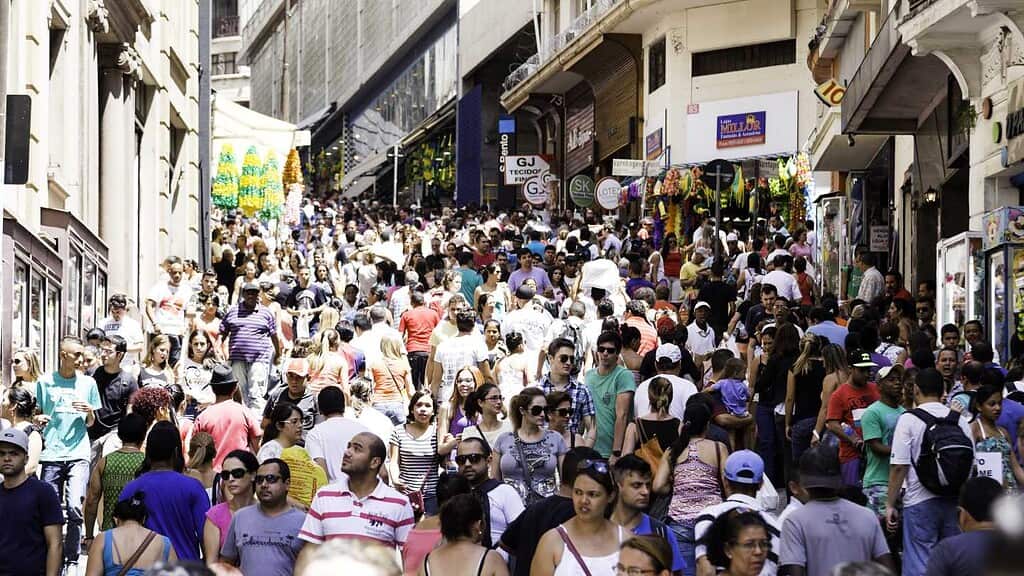
We understand the appeal—those perfectly framed shots that flood your social media feed. But in 2026, the reality of Instagram hotspots rarely matches the fantasy.
The problems:
- Hours of queuing for a 30-second photo opportunity
- Aggressive crowds jostling for the same angle
- Disappointment when the “hidden gem” is actually packed
- Missing the authentic soul of a destination whilst chasing content
Destinations like Bali’s “Gates of Heaven,” Trolltunga in Norway, and numerous “secret” waterfalls have become victims of their own viral fame. By the time you’ve waited in line, fought for your spot, and edited your photo, you’ve lost precious hours that could have been spent actually experiencing the destination.
Our advice: Put the phone down occasionally. The best travel memories rarely come from the most photographed spots.
2. All-Inclusive AI Resorts
Technology in travel can be wonderful, but 2026’s trend of fully AI-operated resorts leaves us cold.
What we’re seeing:
- Robot concierges and automated check-ins
- AI-generated dining recommendations based on biometric data
- Virtual reality “excursions” instead of real ones
- Minimal human interaction throughout the stay
Whilst there’s certainly a place for technology in hospitality, travel is fundamentally about human connection. The concierge who shares their grandmother’s favourite restaurant, the guide who tells stories passed down through generations, the chef who explains the history behind a dish—these moments cannot be replicated by algorithms.
Our take: Use technology to enhance travel, not replace the human elements that make it meaningful.
3. Ultra-Luxury “Bubble” Travel
The pandemic introduced us to travel bubbles for safety reasons, but some operators have transformed this into a permanent luxury offering—sealed, exclusive experiences that keep travellers completely separated from local communities.
Why we’re not fans:
- Zero economic benefit to local businesses
- No cultural exchange or authentic experiences
- Perpetuates an unhealthy “us vs them” mentality
- Misses the entire point of travelling somewhere new
If you’re staying in a compound, eating imported food, and never interacting with locals, you might as well have stayed home and watched a documentary. Travel should be about connection, not isolation.
4. Extreme “Challenge” Tourism
Social media has fuelled a worrying trend of extreme challenge tourism—pushing boundaries not for genuine adventure but for content and bragging rights.
Examples we’re concerned about:
- Dangerous selfie spots claiming lives every year
- Unguided attempts at technical climbs
- “Survival” experiences without proper safety measures
- Illegal trespassing at restricted sites for photos
Adventure travel is fantastic when done responsibly with proper preparation, guides, and respect for your own limitations. But risking your life—or breaking laws—for social media clout is a trend we sincerely hope fades quickly.
5. Rushed “Highlight Reel” Itineraries
Despite the rise of slow travel, some tour operators are still pushing impossibly packed itineraries that promise to show you “everything” in record time.
Red flags to watch for:
- “See 10 countries in 12 days!”
- Wake-up calls before dawn every single day
- Meals eaten on buses between destinations
- More time spent travelling than actually experiencing
You’ll return home more exhausted than when you left, with blurry memories and generic photos. True travel isn’t about quantity—it’s about depth.
6. Voluntourism Without Accountability
The desire to do good whilst travelling is admirable, but poorly structured voluntourism continues to cause more harm than good.
Problems with unregulated programmes:
- Unskilled volunteers taking jobs from qualified locals
- Short-term “help” that disrupts communities
- Orphanage tourism that incentivises family separation
- Projects designed for volunteers’ Instagram feeds rather than community needs
If you want to give back whilst travelling, research thoroughly. Look for programmes with long-term community involvement, proper vetting processes, and genuine local leadership.
7. “Revenge Travel” Excess
The post-pandemic urge to make up for lost time led to revenge travel—spending big and travelling hard to compensate for years stuck at home. But in 2026, the hangover from this approach is becoming clear.
The downsides:
- Financial strain from overspending
- Environmental impact of excessive flying
- Burnout from non-stop travel
- Diminishing returns on experience quality
Travel should be sustainable—financially, physically, and environmentally. Rather than cramming in every trip you ever dreamed of, consider spacing out meaningful journeys over time.
8. Cryptocurrency-Only Bookings
Some travel companies are pushing cryptocurrency-exclusive payment options, but we’d advise caution.
Our concerns:
- Extreme price volatility between booking and travel
- Limited consumer protection compared to credit cards
- Complications with refunds and cancellations
- Regulatory uncertainty across different countries
Whilst blockchain technology may have a future in travel, the current landscape is too unpredictable for most holidaymakers.
Our Top Destination Picks for 2026
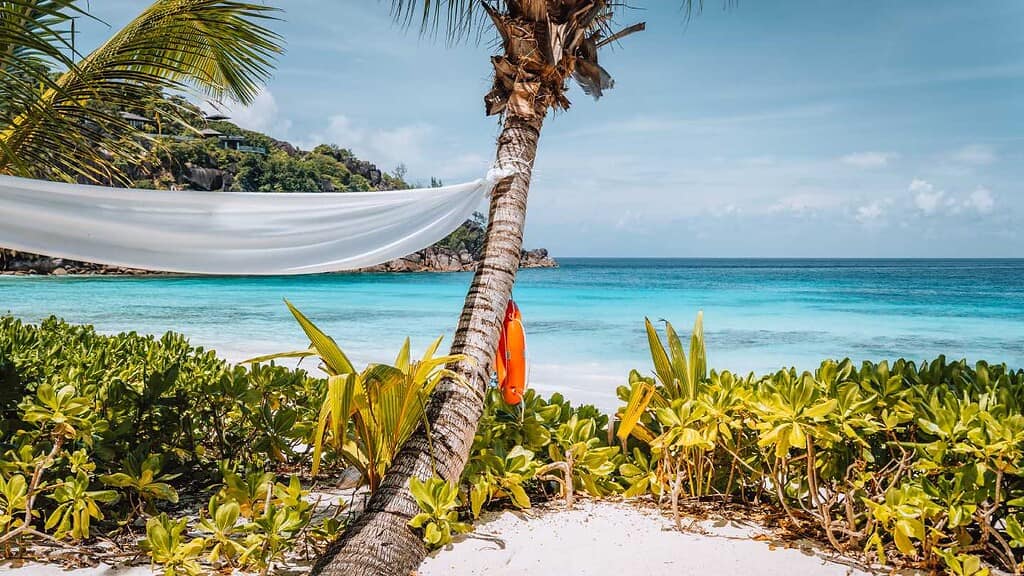
Based on the trends we’re loving, here are destinations we’re particularly excited about this year:
For Slow Travel:
- Portugal’s Alentejo region – rolling cork forests, whitewashed villages, and virtually no crowds
- Slovenia – compact, beautiful, and wonderfully under-the-radar
- Uruguay – South America’s hidden gem with a laid-back pace
For Regenerative Travel:
- Rwanda – gorilla conservation success stories you can be part of
- Costa Rica – the original eco-tourism pioneer, still leading the way
- Namibia – community-owned conservancies protecting incredible wildlife
For Destination Dupes:
- Albania – Mediterranean beauty at a fraction of Croatian prices
- Taiwan – all the wonders of East Asia without the crowds
- Oman – Middle Eastern magic beyond Dubai
For Culinary Immersion:
- Oaxaca, Mexico – the heartland of Mexican cuisine
- Emilia-Romagna, Italy – home of Parmesan, prosciutto, and balsamic
- Georgia – ancient winemaking traditions and incredible hospitality
For Multi-Generational Adventures:
- South Africa – safari lodges that cater to all ages
- Japan – seamless transport and experiences for everyone
- Scotland – castles, nature, and family-friendly activities
Let Jenny’s Travel Guide Your 2026 Adventures
Navigating travel trends can be overwhelming. What’s genuinely worth embracing? What should you avoid? And how do you find experiences that align with your values and interests?
That’s where we come in.
At Jenny’s Travel, we cut through the noise to create journeys that reflect the best of what travel has to offer in 2026. Whether you’re dreaming of a slow travel escape through Europe, a regenerative adventure in Africa, or a multi-generational family holiday, our expert consultants are here to make it happen.
We don’t do cookie-cutter itineraries or follow trends blindly. We listen to what matters to you and craft experiences that will stay with you for a lifetime.
Ready to plan your 2026 adventure?
Contact Jenny’s Travel today and let’s create something extraordinary together.
- Call us: 012 347 8891
- WhatsApp: 066 297 0631
- Email us: ho******@*************co.za
- Visit our website: www.jennystravel.co.za
Travel smarter. Travel deeper. Travel with Jenny’s Travel.