There’s a reason South Africans have been flocking to Mauritius for decades, and it’s not just the powdery white beaches or the impossibly turquoise lagoons—though those certainly don’t hurt. This small island nation in the Indian Ocean has captured the hearts of South African travellers like few other destinations, becoming our unofficial “home away from home” in paradise.
At Jenny’s Travel, we’ve sent countless South African families, honeymooners, and adventure seekers to Mauritius over the years. And despite the world opening up with new destinations constantly vying for attention, Mauritius continues to top the wish lists of our clients year after year.
So what is it about this volcanic island that keeps us coming back? Let’s explore why Mauritius remains one of the most loved holiday destinations for South Africans.
The Perfect Distance: Close Enough to Be Convenient
One of the most practical reasons South Africans adore Mauritius is simply how easy it is to get there.
Flight times from major South African cities:
- Johannesburg: approximately 4 hours
- Cape Town: approximately 5 hours
That’s it. No gruelling long-haul flights, no multiple connections, no arriving so exhausted you need a holiday to recover from your holiday. You can leave Johannesburg in the morning and be sipping a cocktail by the pool before sunset.
Regular direct flights operate from OR Tambo International Airport, with additional connections from Cape Town. Airlines including Air Mauritius, SAA and FlySafair make the route accessible, often with competitive pricing—especially during shoulder seasons.
For South Africans with limited annual leave, this accessibility is invaluable. A week in Mauritius doesn’t require burning two days on travel. You maximise every precious moment of your holiday, actually being on holiday.
No Visa Required: Pack Your Bags and (Almost) Go
South African passport holders enjoy visa-free entry to Mauritius for tourism, for stays of up to 60 days. This removes one of the most significant barriers to international travel—the time-consuming, often stressful visa application process.
No appointments at embassies. No gathering stacks of documents. No anxiously waiting for approval. The only admin is a quick, free online form before you travel.
Before you fly: All travellers to Mauritius must complete the free All-In-One Form online at safemauritius.govmu.org. There is no charge for this—simply fill it in before departure.
Upon arrival, you may be asked to show:
- A valid passport (valid beyond your intended stay, with at least two blank pages—we recommend six months’ validity to be safe)
- A return air ticket
- Proof of accommodation (a confirmed hotel booking)
- Proof of sufficient funds (a bank statement or letter from your bank)
The immigration process is typically quick and friendly, meaning you’re through the airport and on your way to paradise with minimal delay.
Please note: tourists may not engage in any paid work while in Mauritius. Visa rules can change, so we always confirm the latest requirements for you at the time of booking.
Incredible Value for the Rand
Let’s talk about something close to every South African traveller’s heart: value for money.
Whilst the Rand has had its challenges against major currencies like the US Dollar, Euro, and British Pound, the Rand tends to stretch considerably further in Mauritius than in most European or American destinations. This means your money goes further and your holiday budget works harder.
What this means in practice:
- More affordable dining at quality restaurants
- Better value on activities and excursions
- Accessible luxury—five-star experiences at four-star prices
- Room for splurging on special experiences without breaking the bank
Mauritius also caters to a wide range of budgets. Whilst the island is famous for its ultra-luxurious resorts, there are plenty of excellent mid-range options, charming guesthouses, and self-catering apartments that make the destination accessible to families and younger travellers.
A Warm Welcome: Hospitality That Feels Like Home
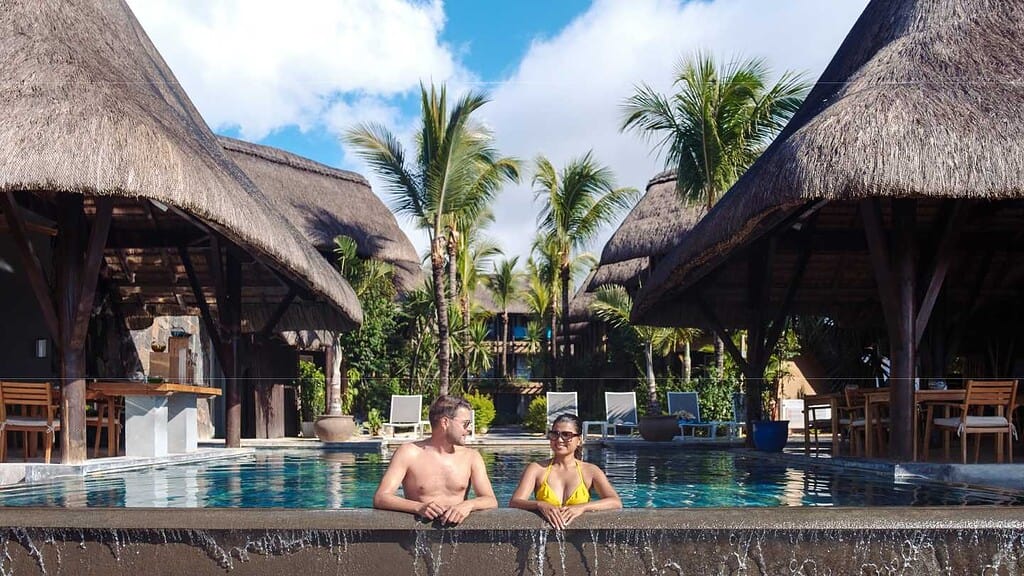
Mauritians have a well-deserved reputation for warmth and hospitality. The island’s multicultural heritage—a blend of Indian, African, Chinese, French, and British influences—has created a society that genuinely celebrates diversity and welcomes visitors with open arms.
For South Africans, there’s something wonderfully familiar about Mauritian hospitality. The friendliness feels genuine, not performative. Staff at hotels and restaurants seem to take real pride in ensuring guests have a memorable experience. It’s common to find yourself chatting with locals, learning about their lives, and feeling like more than just another tourist.
This warmth extends throughout the island—from the taxi drivers who share recommendations for hidden beaches to the market vendors who teach you how to pick the ripest pineapple. Mauritius feels welcoming in a way that resonates deeply with South African travellers accustomed to ubuntu and community spirit.
Beaches That Define Paradise
Let’s be honest: the beaches are a major drawcard. Mauritius is blessed with some of the most stunning coastline on Earth, and South Africans—despite having beautiful beaches at home—still find themselves awestruck by what this island offers.
The West Coast
Flic en Flac and Tamarin offer long stretches of white sand with calm, crystal-clear waters perfect for swimming. The west coast is known for its spectacular sunsets—the sky erupts in oranges, pinks, and purples that seem almost impossibly vivid.
The North Coast
Grand Baie is the island’s tourism hub, offering a lively atmosphere with beach clubs, restaurants, and nightlife. Nearby Mont Choisy and Trou aux Biches provide quieter stretches of sand backed by casuarina trees.
The East Coast
Belle Mare is home to some of the most luxurious resorts on the island, with pristine beaches that look like they’ve been photoshopped. The lagoons here are particularly calm, making them ideal for families with young children.
The South Coast
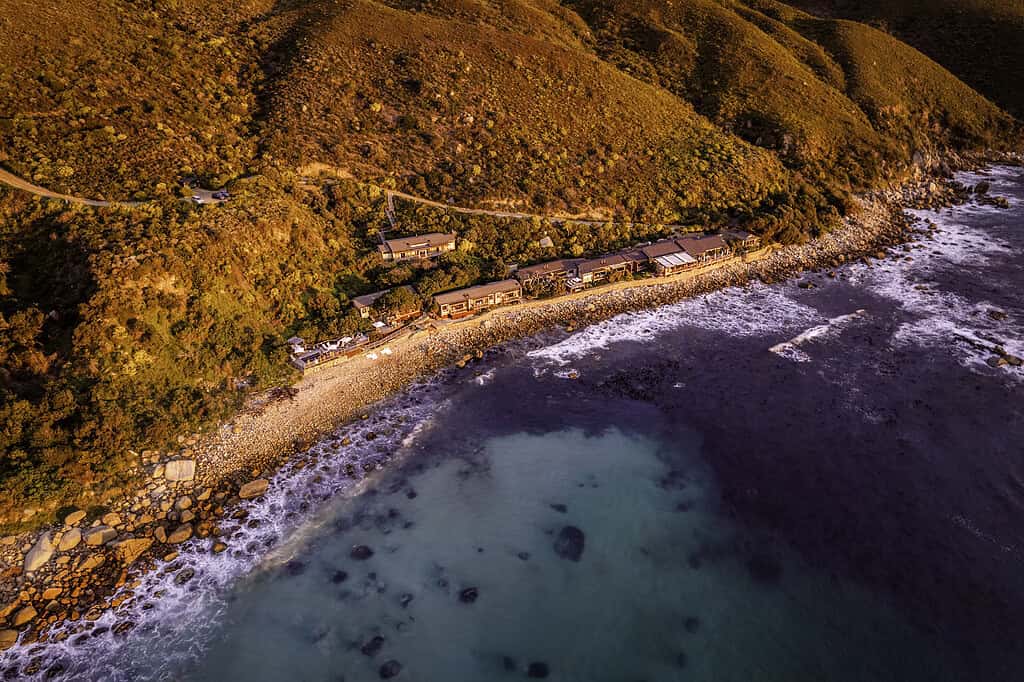
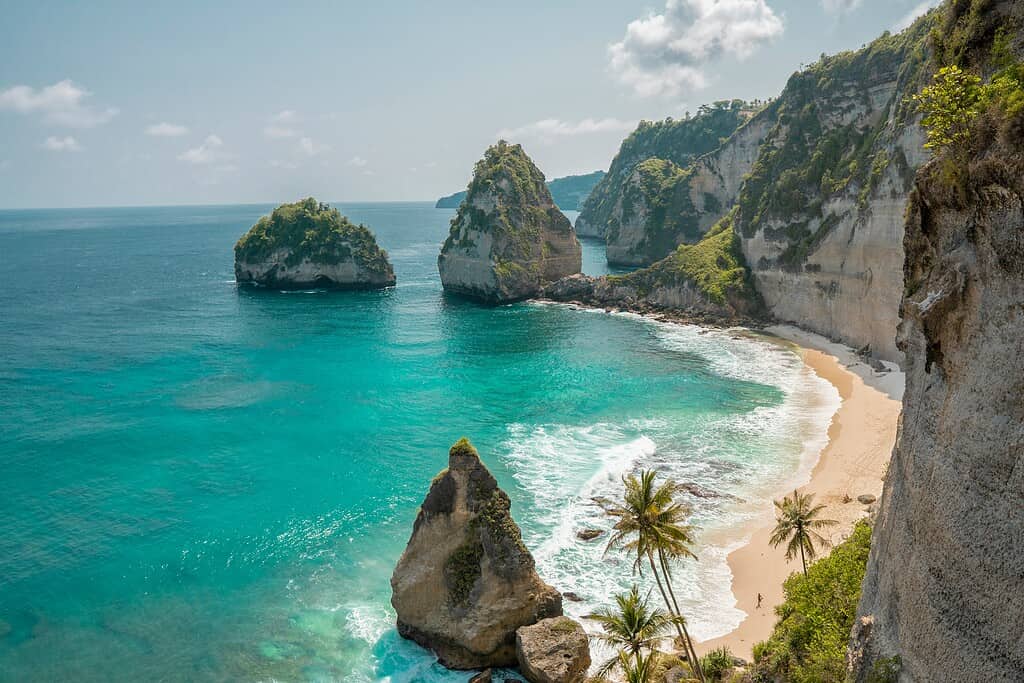
For something more dramatic, the south offers rugged coastlines, powerful waves, and a wilder beauty. Le Morne, with its iconic mountain backdrop, is a UNESCO World Heritage Site and one of the most photographed spots on the island.
The coral reefs that surround much of Mauritius create protected lagoons where the water is calm and the swimming is safe—a particular comfort for families with children.
Beyond the Beach: Adventure Awaits
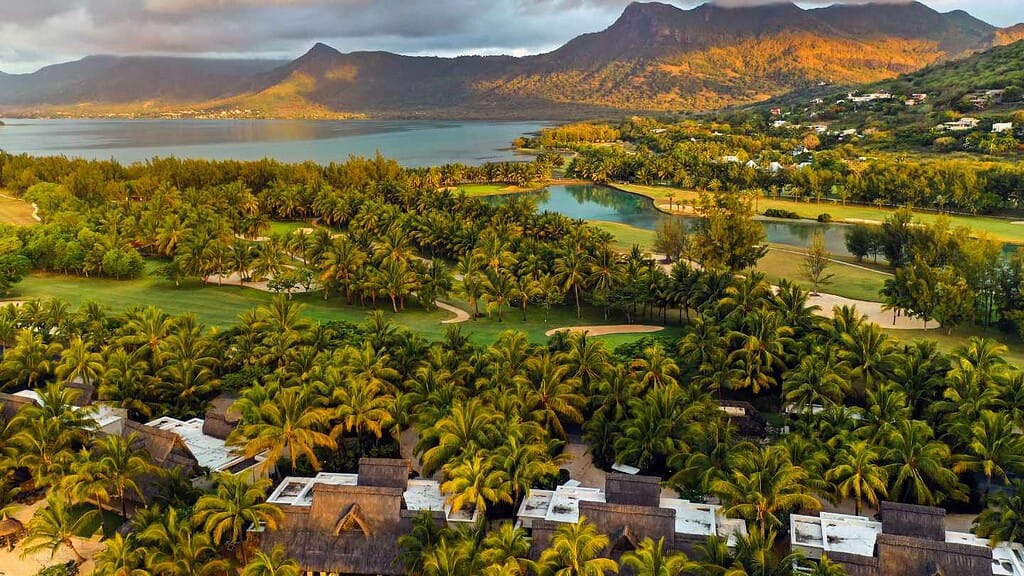
Mauritius is far more than just a beach destination. The island packs an astonishing diversity of experiences into its compact 2,040 square kilometres.
Water Sports Paradise
The protected lagoons and world-class conditions make Mauritius a playground for water enthusiasts:
- Snorkelling and diving: The coral reefs teem with colourful fish, sea turtles, and fascinating marine life
- Kitesurfing and windsurfing: Le Morne is internationally renowned for its conditions
- Deep-sea fishing: The waters around Mauritius are rich with marlin, tuna, and dorado
- Kayaking and stand-up paddleboarding: Perfect for exploring the calm lagoons
- Submarine and semi-submarine tours: See the underwater world without getting wet
- Swimming with dolphins: Wild dolphin encounters in the open ocean
Land-Based Adventures
Step away from the coast and discover another side of Mauritius:
- Hiking in Black River Gorges National Park: The island’s largest protected area offers trails through lush forests with stunning viewpoints
- Zip-lining and canopy tours: Fly through the treetops for an adrenaline rush
- Quad biking: Explore the island’s interior on rugged trails
- Seven Coloured Earths of Chamarel: A geological wonder where sand dunes display seven distinct colours
- Casela Nature Parks: Home to safari-style experiences, including walking with lions
Cultural Experiences
The island’s multicultural heritage creates a fascinating cultural landscape:
- Port Louis: The capital city offers markets, museums, and authentic street food
- Hindu temples: Colourful, ornate temples dot the landscape, including the sacred Grand Bassin
- Colonial plantation houses: Historic estates like Eureka offer glimpses into the island’s past
- Rum distilleries: Tours and tastings at producers like Rhumerie de Chamarel
A Food Lover’s Dream
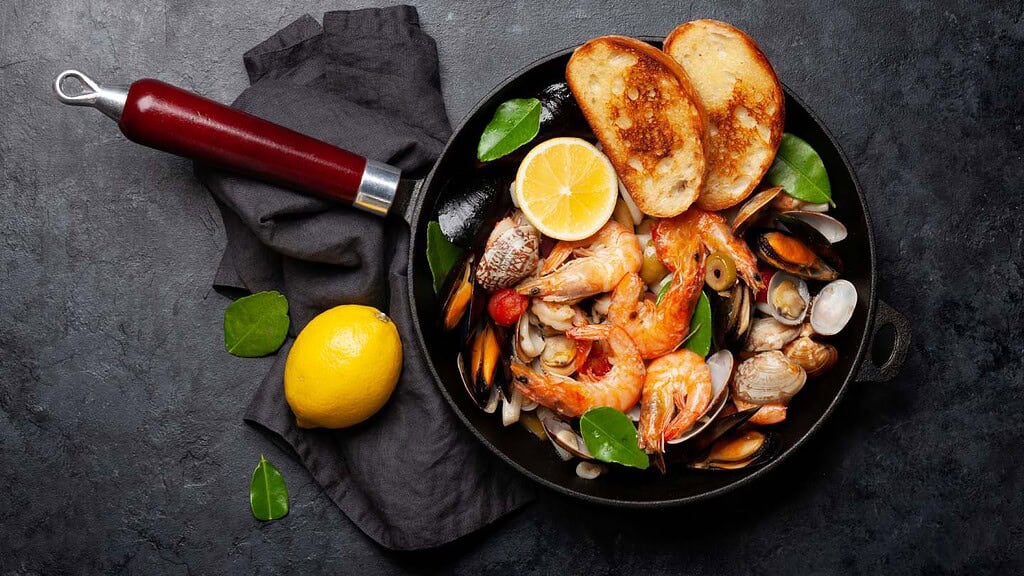
Mauritian cuisine is a delicious reflection of the island’s diverse heritage, and for South Africans who love good food, it’s an absolute treat.
Must-Try Dishes
- Dholl puri: Soft flatbreads filled with split pea curry—the ultimate Mauritian street food
- Gateau piment: Spicy chilli cakes, perfect as a snack
- Rougaille: A rich tomato-based sauce served with fish or meat
- Vindaye: Fish marinated in mustard, turmeric, and vinegar
- Alouda: A sweet, refreshing drink with basil seeds and milk
- Fresh seafood: From grilled lobster to octopus curry, the ocean provides abundantly
Dining Experiences
Mauritius caters to every taste and budget:
- Beach barbecues: Fresh fish grilled right on the sand
- Fine dining: World-class restaurants at luxury resorts
- Street food markets: Authentic flavours at local prices
- Cooking classes: Learn to prepare Mauritian dishes yourself
The fusion of Indian spices, French techniques, Chinese influences, and Creole creativity results in food that’s familiar enough to be comforting yet exciting enough to feel like a genuine culinary adventure.
Romance and Honeymoons: Love Island
Mauritius has earned its reputation as one of the world’s premier romantic destinations, and South African couples continue to choose it for honeymoons, anniversaries, and special celebrations.
What makes it so romantic:
- Stunning sunsets: The west coast sunsets are legendarily beautiful
- Secluded beaches: Private stretches of sand for just the two of you
- Overwater experiences: Dining on pontoons, spa treatments over the lagoon
- Intimate resorts: Adults-only options and private villas with plunge pools
- Couples’ spa treatments: World-class wellness facilities
- Candlelit dinners on the beach: The ultimate romantic setting
Many resorts offer dedicated honeymoon packages including champagne, romantic dinners, couples’ massages, and room upgrades. For South Africans planning a wedding, Mauritius also offers the option of destination ceremonies—saying “I do” with your toes in the sand and the Indian Ocean as your backdrop.
Family-Friendly Paradise
Whilst Mauritius excels at romance, it’s equally brilliant for families. South African families, in particular, have embraced the island as the perfect holiday destination for all ages.
Why families love Mauritius:
- Safe swimming: The lagoons provide calm, shallow waters ideal for children
- Kids’ clubs: Most resorts offer excellent programmes for young guests
- Family suites and villas: Spacious accommodation options
- Activities for all ages: From beach play to adventure parks
- Reliable weather: Sunshine you can count on
- No jet lag: The time difference from South Africa is just two hours
Family-Friendly Attractions
- Casela Nature Parks: Wildlife encounters and adventure activities
- L’Aventure du Sucre: An interactive museum about the sugar industry
- Vanilla Nature Park: Giant tortoises, crocodiles, and butterflies
- Île aux Cerfs: A picturesque island perfect for a family day trip
- Blue Bay Marine Park: Glass-bottom boat tours and snorkelling
Multi-generational trips are particularly popular, with grandparents, parents, and children all finding something to love about the island.
World-Class Resorts and Accommodation
Mauritius has perfected the art of hospitality, and the island boasts some of the finest resorts in the Indian Ocean.
Luxury Icons
- One&Only Le Saint Géran: A legendary resort synonymous with barefoot elegance
- Four Seasons Resort Mauritius at Anahita: Private residences and impeccable service
- The Oberoi Beach Resort: Understated luxury with stunning gardens
- Shangri-La Le Touessrok: Sophistication on the east coast
- LUX Grand Gaube: Contemporary design with creative flair
Excellent Mid-Range Options
- Veranda Resorts: Quality and value across multiple properties
- Zilwa Attitude: Authentic Mauritian character with a boutique feel
- Solana Beach: Adult-focused and affordable
- Ravenala Attitude: Family-friendly with great facilities
All-Inclusive vs. Half-Board
Many South African travellers opt for all-inclusive packages, which offer excellent value and eliminate the stress of budgeting for meals and drinks. However, for those who want to explore the island’s culinary scene independently, half-board options provide flexibility whilst still including breakfast and dinner.
The Weather: Reliable Sunshine
South Africans are blessed with good weather at home, but there’s something particularly appealing about Mauritius’s climate—especially during the South African winter.
The basics:
- Summer (November to April): Warm and humid, with temperatures around 25-33°C. Occasional tropical showers, usually brief
- Winter (May to October): Milder and drier, with temperatures around 17-25°C. Perfect for those escaping the South African cold
The east coast tends to be windier (great for kitesurfing), whilst the west and north coasts are more sheltered. The south sees more dramatic weather and waves.
Best time for South Africans to visit: Our winter months (June to August) align perfectly with Mauritius’s dry season, offering an escape from cold weather at home into warm, sunny island days. However, Mauritius is a year-round destination, and even the summer months offer plenty of sunshine between occasional showers.
Practical Matters: Easy and Stress-Free
Currency
The Mauritian Rupee (MUR) is the local currency. US Dollars and Euros are widely accepted at hotels and larger establishments, but Rupees are preferable for local markets and smaller businesses. ATMs are readily available, and credit cards are accepted almost everywhere in tourist areas.
Language
English and French are both official languages, and most Mauritians speak both fluently. Creole is the everyday language amongst locals. South Africans find communication effortless throughout the island.
Safety
Mauritius is considered one of the safest destinations in Africa. Violent crime against tourists is rare, and the island has a stable political environment. Standard precautions apply—don’t leave valuables unattended on the beach, use hotel safes, and be aware of your surroundings—but overall, Mauritius offers a remarkably secure holiday experience.
Health
No vaccinations are required for South African travellers, and the island is malaria-free. A yellow fever certificate is only needed for travellers arriving from affected areas—which does not include South Africa, so if you’re flying directly from home, this won’t apply to you. (If you’re routing through another country, do check with us.) The healthcare system is good, with modern facilities available. Travel insurance is still essential, but the health risks are minimal.
The South African Connection
There’s an intangible quality to the relationship between South Africa and Mauritius that goes beyond practical considerations.
Perhaps it’s the shared understanding of what it means to be part of the African continent—the warmth, the resilience, the celebration of diversity. Perhaps it’s the familiar faces; South Africans make up a significant portion of Mauritius’s tourist arrivals, and you’ll likely hear Afrikaans, Zulu, or familiar accents around the pool.
Many South African expatriates have made Mauritius their home, and their presence adds to the sense of familiarity. You might find a South African-owned restaurant, meet a Capetonian couple at the bar, or discover that your dive instructor is from Durban.
There’s also a growing business connection, with South African companies investing in Mauritius and direct economic ties strengthening each year. This relationship creates a sense of partnership rather than simply tourism.
Sustainability and Conservation
For environmentally conscious South African travellers, Mauritius is increasingly appealing. The island has made significant strides in marine conservation, sustainable tourism practices, and environmental protection.
Notable initiatives:
- Marine protected areas: Efforts to preserve coral reefs and marine life
- Wildlife rehabilitation: Programmes to protect endemic species like the pink pigeon
- Eco-certified resorts: Many properties have achieved international sustainability certifications
- Plastic reduction: Island-wide initiatives to reduce single-use plastics
- Community tourism: Projects that ensure local communities benefit from tourism revenue
The tragic story of the dodo—driven to extinction on Mauritius in the 17th century—serves as a powerful reminder of the importance of conservation. Today, the island is committed to ensuring its remaining natural treasures are protected for future generations.
When to Book and How to Get the Best Deals
Peak Season (December to January, Easter)
These periods see the highest demand and prices. South African school holidays drive significant traffic, so booking well in advance—ideally six months or more—is essential.
Shoulder Season (September to November, February to April)
Excellent weather with fewer crowds and better prices. This is often the sweet spot for South African travellers seeking value without compromising on experience.
Low Season (May to August)
Whilst this is winter in Mauritius, the weather remains pleasant and the deals are significant. It’s ideal for those prioritising budget over peak conditions.
Money-saving tips:
- Book flights and accommodation together for package discounts
- Consider all-inclusive packages for better budget control
- Travel midweek when possible for lower flight prices
- Look for early-bird specials and last-minute deals
- Consider the east coast, which often offers better value than the north
What’s New in Mauritius
The island continues to evolve whilst maintaining its essential character. Recent developments include:
- New luxury resorts: Properties from international brands adding fresh options
- Expanded adventure tourism: More zip-lines, hiking trails, and eco-adventures
- Culinary scene growth: Farm-to-table restaurants and local food experiences
- Wellness focus: Dedicated wellness retreats and spa destinations
- Sustainable initiatives: Increased commitment to environmental protection
Mauritius understands that its natural beauty is its greatest asset and is working to preserve it whilst offering visitors new ways to experience the island.
Creating Your Perfect Mauritius Holiday
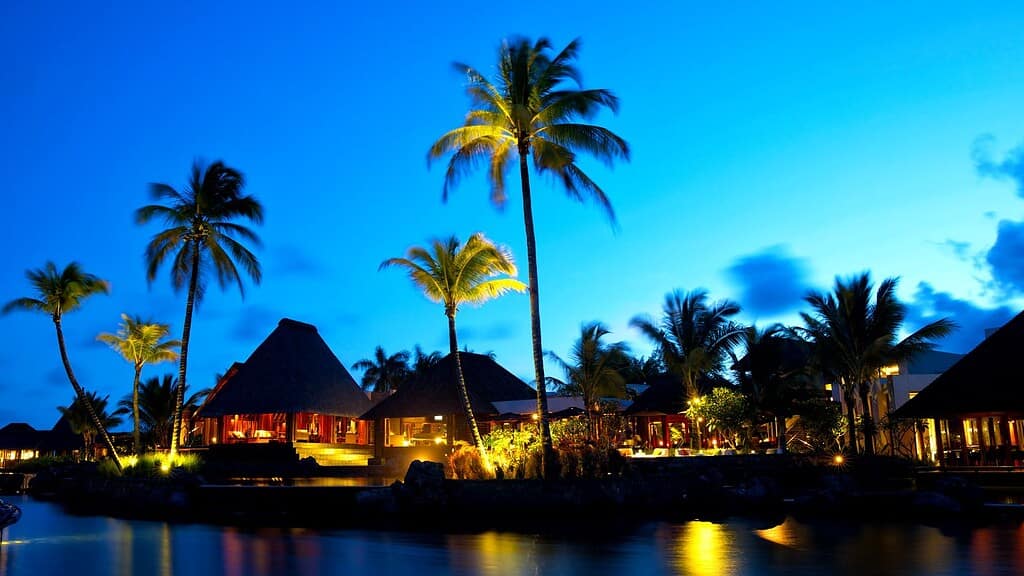
The beauty of Mauritius lies in its versatility. Whether you want to:
- Relax completely: Spend your days moving between the beach, the pool, and the spa
- Adventure actively: Fill every moment with water sports, hiking, and exploration
- Romance deeply: Create intimate memories with your partner
- Connect as a family: Share experiences across generations
- Immerse culturally: Explore temples, markets, and local communities
- Celebrate specially: Mark a milestone with an unforgettable trip
Mauritius accommodates all of these desires, often within a single holiday. The island’s compact size means you can combine beach relaxation with cultural exploration, adventure with indulgence.
Let Jenny’s Travel Create Your Mauritius Escape
After decades of sending South Africans to Mauritius, we know this island intimately. We know which resorts suit honeymooners versus families, which beaches offer the best snorkelling, which restaurants shouldn’t be missed, and which experiences will create memories that last a lifetime.
At Jenny’s Travel, we don’t just book holidays—we craft experiences. Our consultants have walked the beaches, stayed at the resorts, and tasted the food. We know Mauritius personally, and we use that knowledge to create holidays perfectly tailored to your dreams.
Whether you’re a first-time visitor or a returning guest, whether you’re seeking luxury indulgence or budget-friendly adventure, we’ll design an itinerary that maximises every moment of your time on this magical island.
Ready to experience why South Africans love Mauritius?
Contact Jenny’s Travel today and let us plan your perfect island escape.
- Call us: 012 347 8891
- WhatsApp: 066 297 0631
- Email us: ho******@*************co.za
- Visit our website: www.jennystravel.co.za
Mauritius is calling. Let Jenny’s Travel answer.